How much can we do to educate our users in washroom etiquette? What can we do to ensure that our washrooms are at their visual optimum? What are our users going to notice if they are being critical?
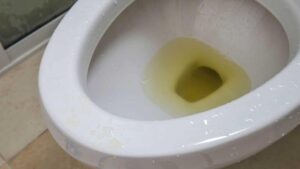
We’ve all seen it. The messy cubicle left by a user in a hurry or with no sense of respect. Water splashed across the washroom. Toilet paper on the floor (is that used?!) Overflowing bins. The shortest answer to these problems is regular inspections by members of staff. If your own staff use the same toilets as your visitors then encouraging instant feedback is a surefire way to raise your inspection frequencies. If you have separate facilities, then encourage staff who are not busy to make a quick stop into the washrooms so they can feedback on any cleaning needs to the appropriate staff member. The more eyes on the prize, the quicker any unseen circumstances can remain “unseen”!
What about educating our users? Communication with users is more powerful than many realise. Most washrooms already do this by ensuring staff place maintenance checklists in a location the user will spend some time. A superb choice is near the drying solution. Users who are likely to be critical of hygiene standards are likely to have decent hygiene standards for themselves. They are likely to wash and dry their hands.
What about those users who don’t wash their hands? We know they still exist, even in a (soon?) post-Covid world. We can be confident that people’s hygiene will slip back to their previous standards, even after close to 2 years of increased personal hygiene. The answer here is to use dead space to educate your users. Polite signs with visual representations reminding your users why they should wash their hands. Placing these on the backs of stall doors and above urinals is a brilliant use of this dead space. Make sure these signs use your branding too. This ensures their poor hygiene choices are their own. Once they at the sinks, make it clear how to use the hygiene options to get the best from them. From here, direct them to your hand drying options and your hand sanitiser stations as an ultimate destination.
We took these suggestions from advice given by a world expert on early years education in an article we wrote on hygiene in the Early Years setting. Since penning that article I have noticed that people still need this “hand holding” (technical word: “scaffolding”) even as adults. Treat your users with respect, yet try to think of them as being very naïve in your environment. Make using your facilities as simple as possible for them. Study your washroom flow and ensure it is logical, usable and understandable. Most of all, ensure that they have to be belligerent in their neglect to leave without leaving a clean environment with clean hands.
Making sure your washroom solution has well placed sanitary bins, seat cleaning options, hand washing solutions, drying solutions, matting and hand sanitising. Ensure to label these and useful information strategically placed. Make sure your maintenance checklist is clear, understandable and placed in a location where most users will stop in their washroom flow. For more ideas to support the visual aspects of your washroom environment consult with a Zenith Washrooms representative. We have seen more washroom environments than most and have turned a critical eye to all of them.
Contact Zenith Washrooms and let us get to yours before an all important visitor does.